CAT Automotive · Founded 2025

Built in a
Living Room

Proving that a supercar can be designed, engineered,
and prototyped without a factory floor.

01

CAT Automotive started with a single question: does building a supercar require a billion-dollar factory? The answer, we believe, is no.

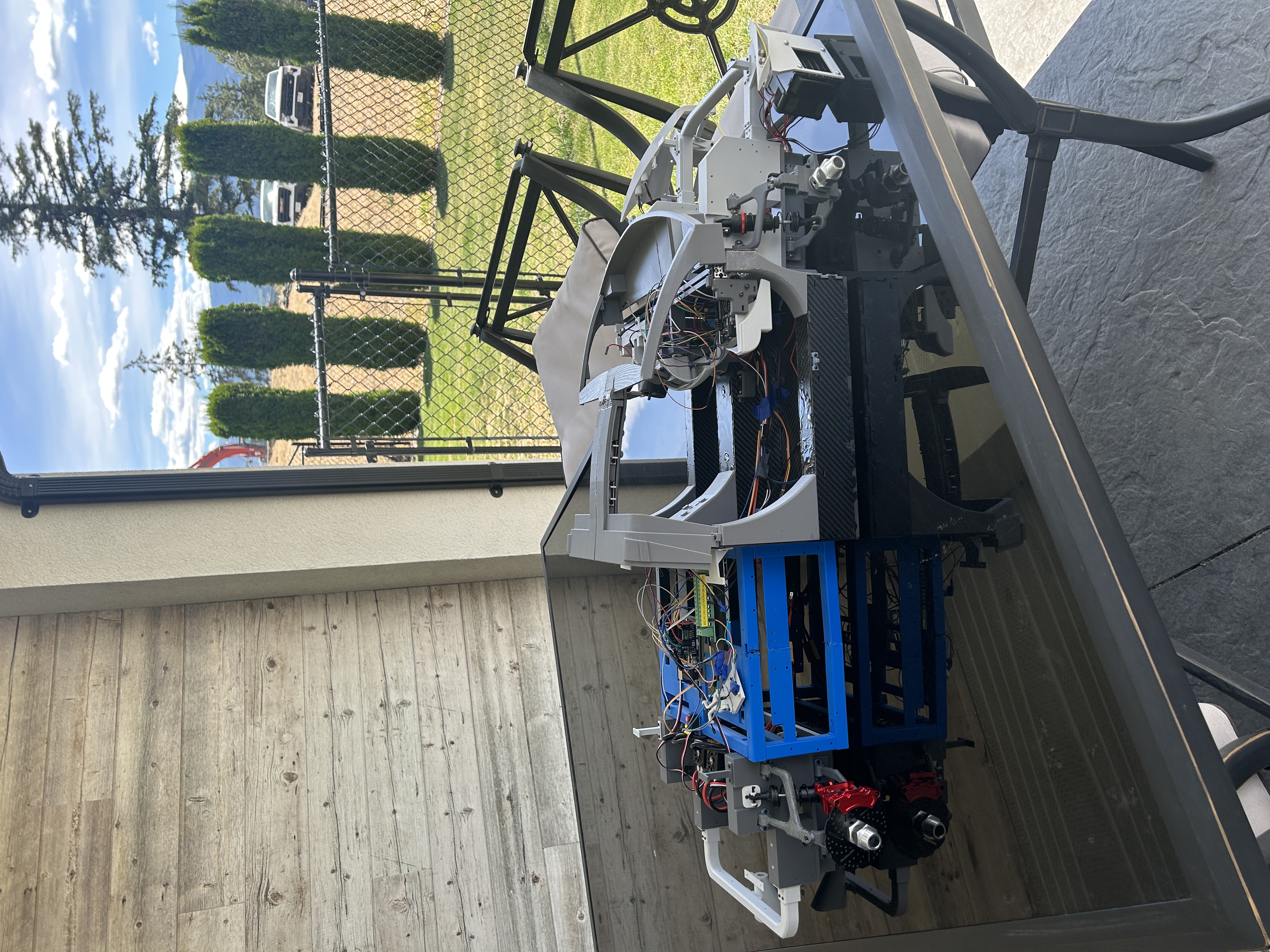
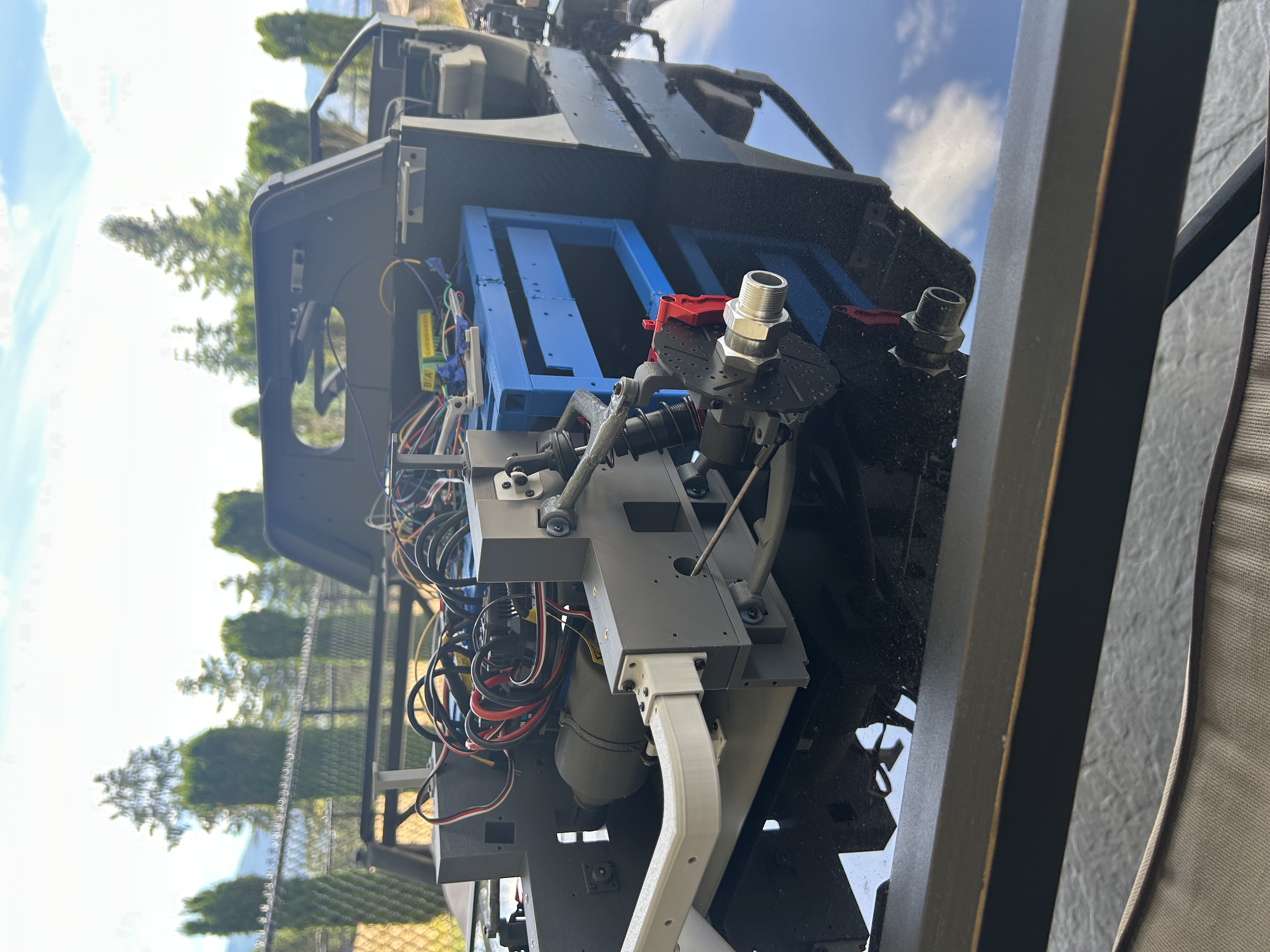
The mission is to build a fully functional 1:4 scale hydrogen-powered prototype — complete with a carbon fiber monocoque chassis, EPS steering rack, fuel cell drivetrain, and full electronics — designed and assembled from a living room in Kelowna, BC.

Not as a toy. Not as a concept render. As a real engineering proof of concept — every system functional, every component designed from scratch, every decision documented.

If we can do that here, we can do it anywhere. And that changes what's possible for independent automotive engineering.

"The best engineers don't wait for permission.
They build proof."

Baran Hosal · Founder, CAT Automotive

What we're
proving possible

I
Independent Engineering
A supercar doesn't require a team of thousands. With modern CAD tools, CNC machining services, and composites fabrication, one engineer can design and build systems that rival established manufacturers.
II
Hydrogen from Day One
We didn't choose hydrogen because it's trendy. We chose it because it's the right answer — instant refuelling, zero emissions, and power density that electric batteries can't match for a performance car.
III
Prototype First
No renders. No promises. Build the thing first, prove it works, then scale. The 1:4 prototype validates every engineering decision before a single full-scale part is cut.

A full workshop.
Desktop scale.

Every manufacturing process used to build a production supercar — replicated with desktop machines and minimal capital investment. No factory floor required.

Metal 3D Printing
Complex metal components — brackets, uprights, housings — produced via desktop metal 3D printing. Geometry that would require expensive CNC fixturing is printed directly, with no tooling cost.
Desktop Metal · Sintering
Carbon Fiber Layup
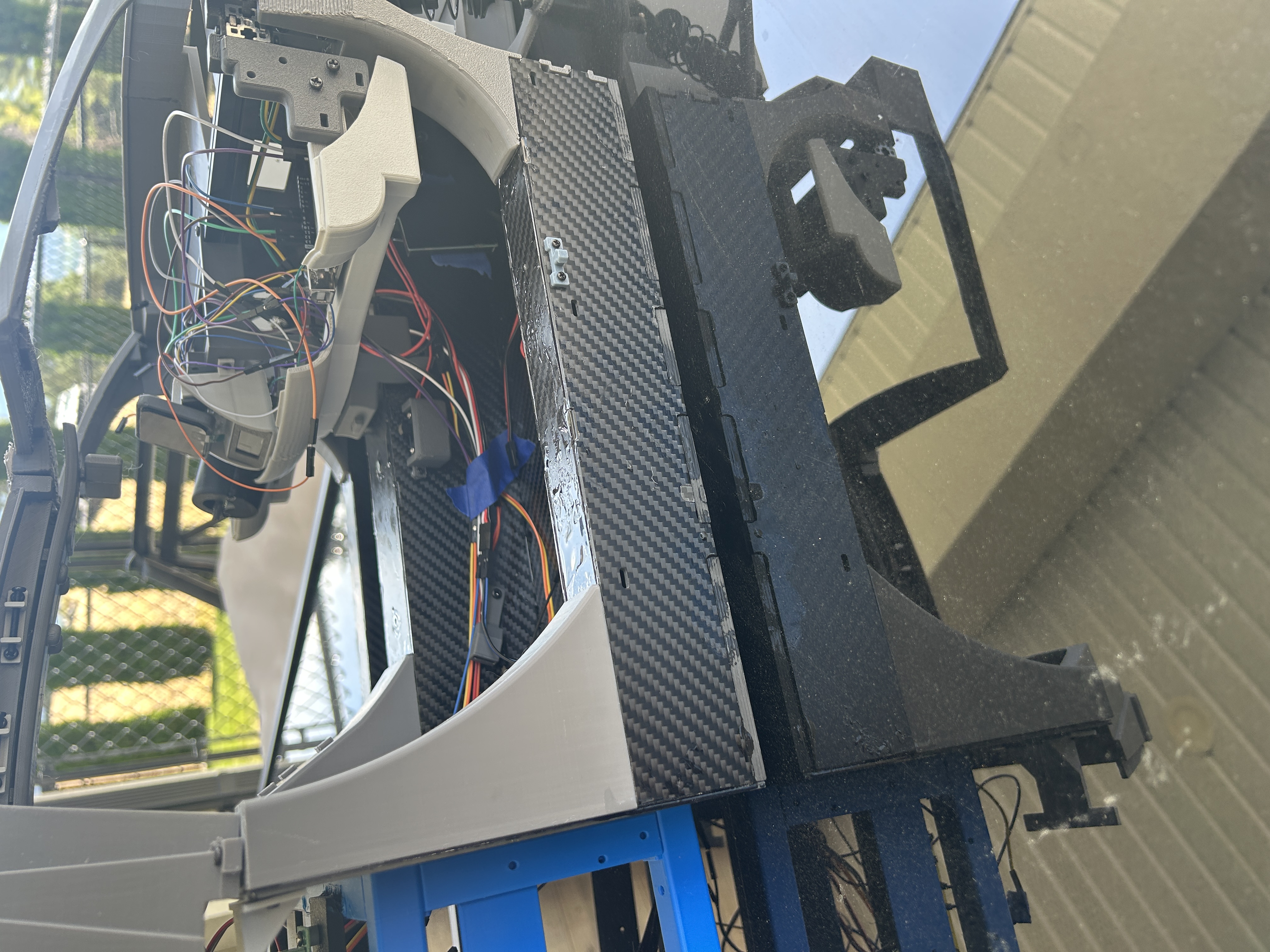
Structural carbon fiber panels produced with a wet layup process over PETG cores. The same composite construction method used in Formula 1 and aerospace — executed with hand tools and a vacuum bag.
Wet Layup · Vacuum Consolidation
CNC Machining
Precision-machined aluminium and steel parts produced on desktop CNC mills. Steering racks, suspension uprights, and custom brackets machined to engineering tolerances without outsourcing.
Desktop CNC · ±0.01mm Tolerance
Painting & Finishing
Professional-grade paint systems applied to PETG body panels — filler primer, base coat, clear coat. Surface preparation and colour matching done in-house, with professional spray booths used for final coats.
Filler Primer · Base + Clear Coat
Complex Mold Making
Multi-part silicone and rigid molds for body panels, interior trim, and structural forms — produced using desktop 3D-printed masters and poured tooling. Molds that would cost thousands outsourced are made here for the cost of materials.
3D-Printed Masters · Poured Tooling
Minimal Capital
Every process above runs on desktop machines that fit in a living room. The total equipment cost is a fraction of what traditional automotive manufacturing requires — proving that access to manufacturing is no longer the barrier it once was.
Low CapEx · High Output
From the Founder

One engineer.
One living room.
One supercar.

I'm a mechanical engineering student. I don't have a factory. I don't have a team of investors behind me yet. What I have is the ability to design, and the drive to build.

Every component on this car — the carbon fiber chassis, the steering rack, the hydrogen system — has been designed by me, in my living room, using the same CAD tools the big manufacturers use.

The point isn't to prove I'm exceptional. The point is to prove that the barrier to building isn't resources — it's commitment.

Baran Hosal
Founder & Lead Engineer · CAT Automotive
Scale
1 : 4
Functional prototype, all systems active
Location
Living Room
Kelowna, British Columbia
Powertrain
Hydrogen
Fuel cell + LiPo buffer system
Chassis
Carbon Fiber
13-piece interlocking monocoque
Follow the Build

Watch it
happen

Get Updates