Structural Engineering · Carbon Fiber
The Carbon
Monocoque
CF
Carbon Fiber
Al
Aluminium Reinforced
Testing
Planned
Planned
Torsional Stiffness
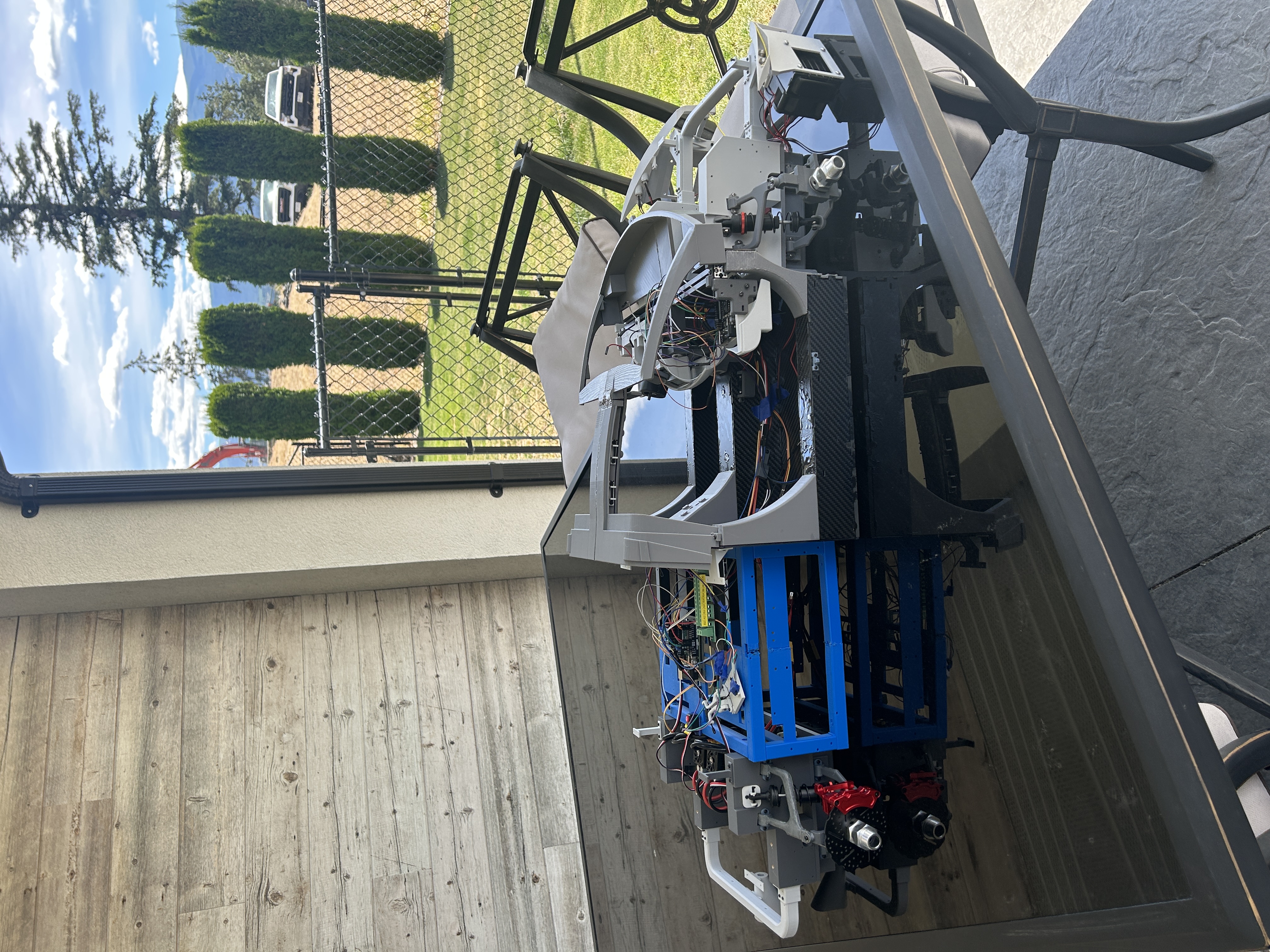
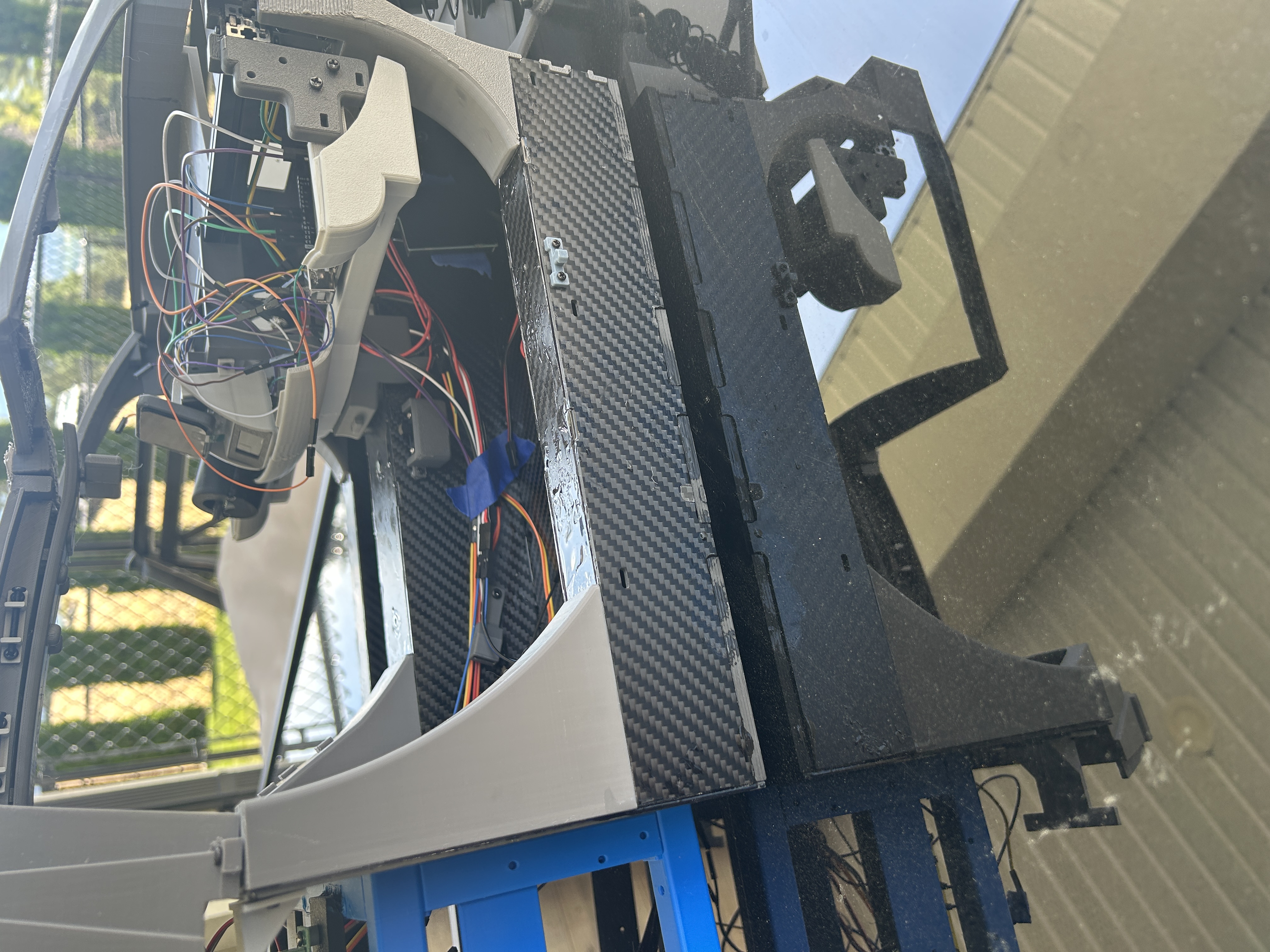
A full carbon fiber monocoque with aluminium reinforcement at critical load points — subframe mounts, suspension pickups, and door apertures. Thirteen bonded panels form one continuous structure, designed in SolidWorks and laid up by hand.
Carbon fiber carries the structural loads; aluminium inserts provide precision mounting interfaces for the powertrain and suspension. Torsional stiffness testing is planned for the full-scale build.
Carbon fiber panels are bonded and fastened at precision aluminium nodes — designed to distribute chassis loads evenly across the structure.
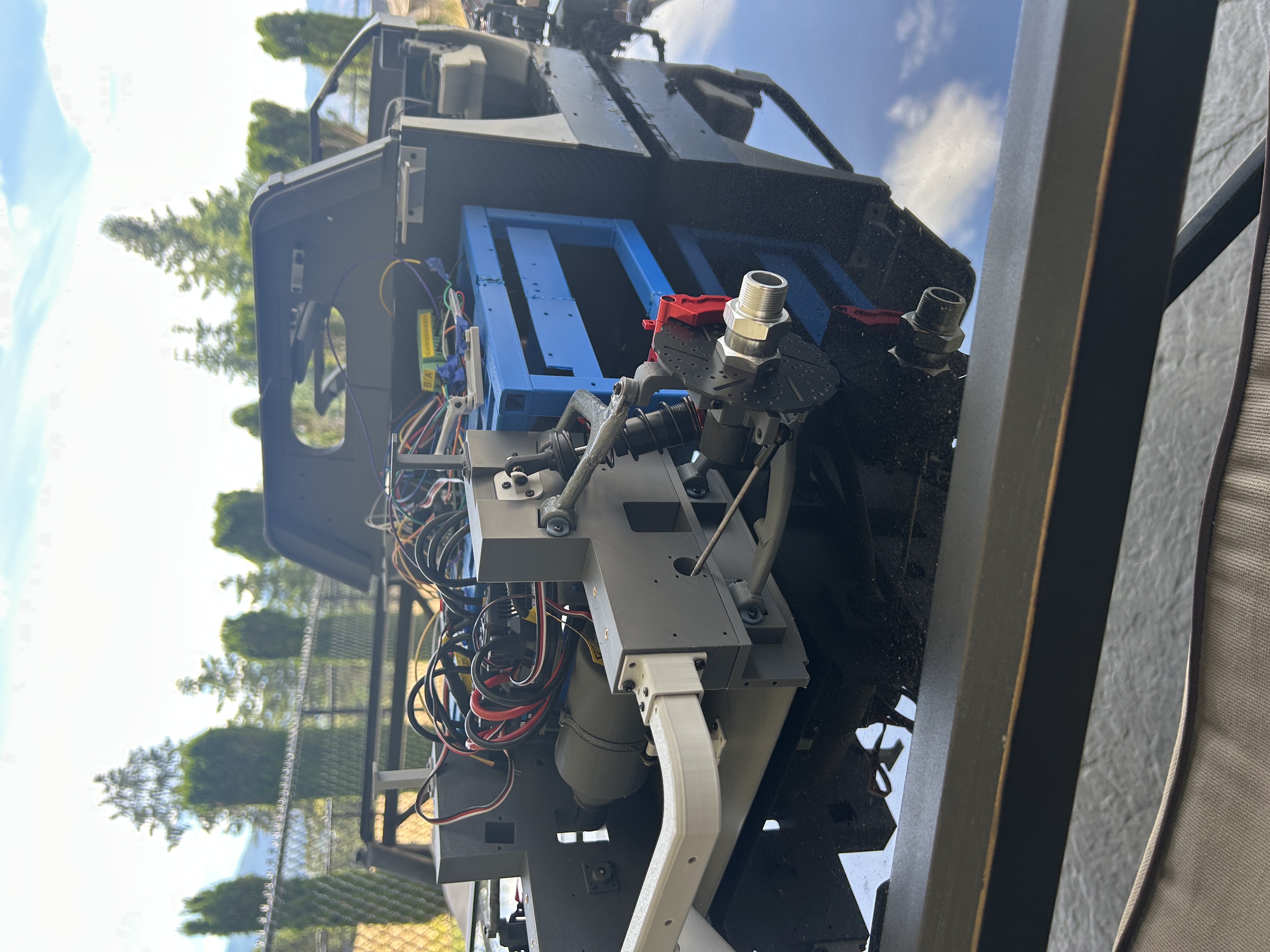
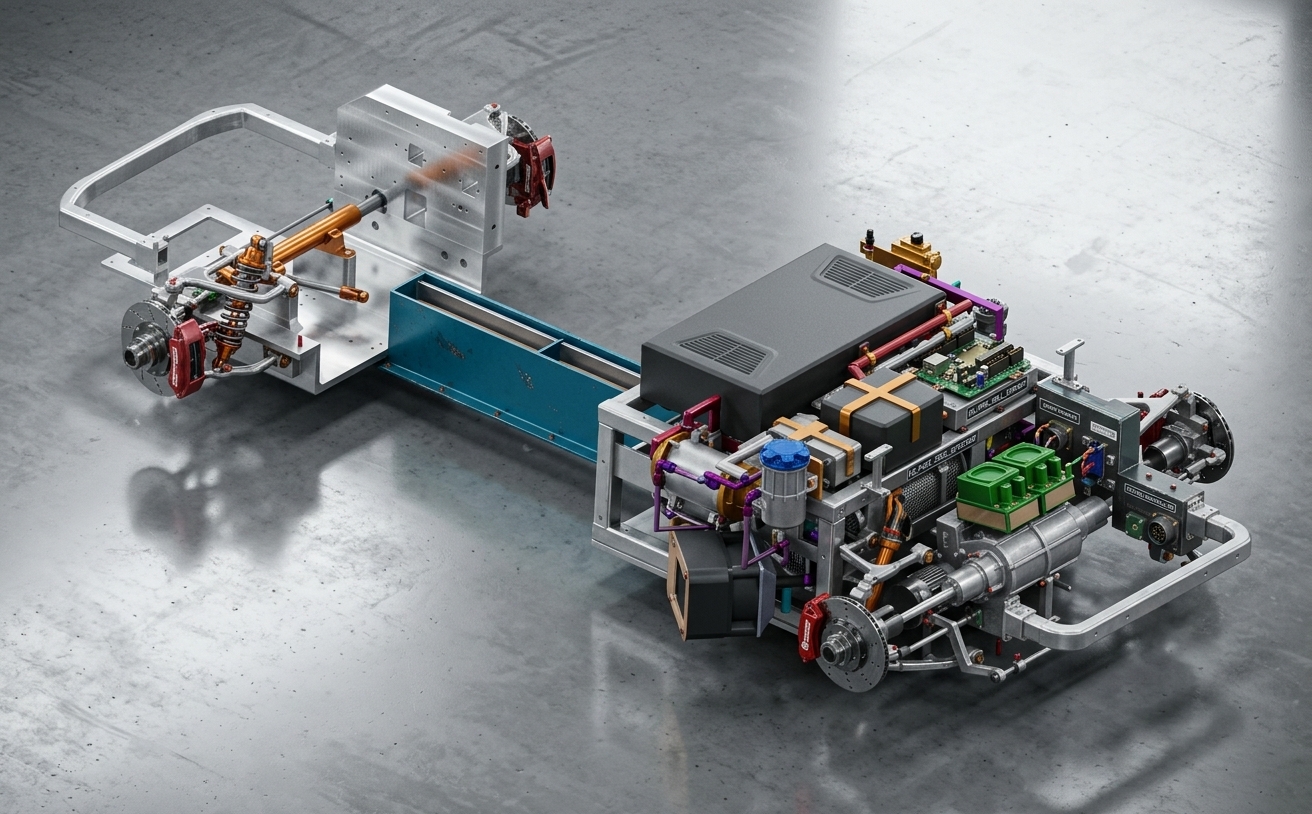
The complete drivetrain — hydrogen fuel cell, LiPo buffer battery pack, power electronics, hydrogen tank, and electric motor — packaged into the rear chassis as a single integrated assembly. The front carries the suspension geometry. Every system designed to work together from day one.
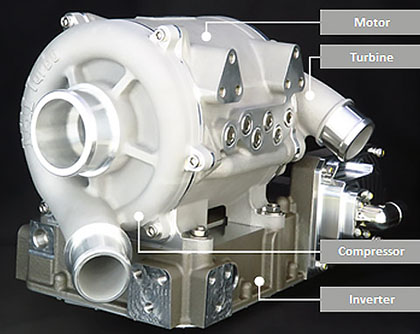
The fuel cell runs a turbocompressor — motor, turbine, compressor and inverter in a single unit — that forces air through the hydrogen stack at the pressure it needs. As throttle demand rises and falls, the compressor responds: a turbine spool, a compressor whine, a real mechanical soundtrack. Not engineered for effect. A byproduct of how hard the system is working.
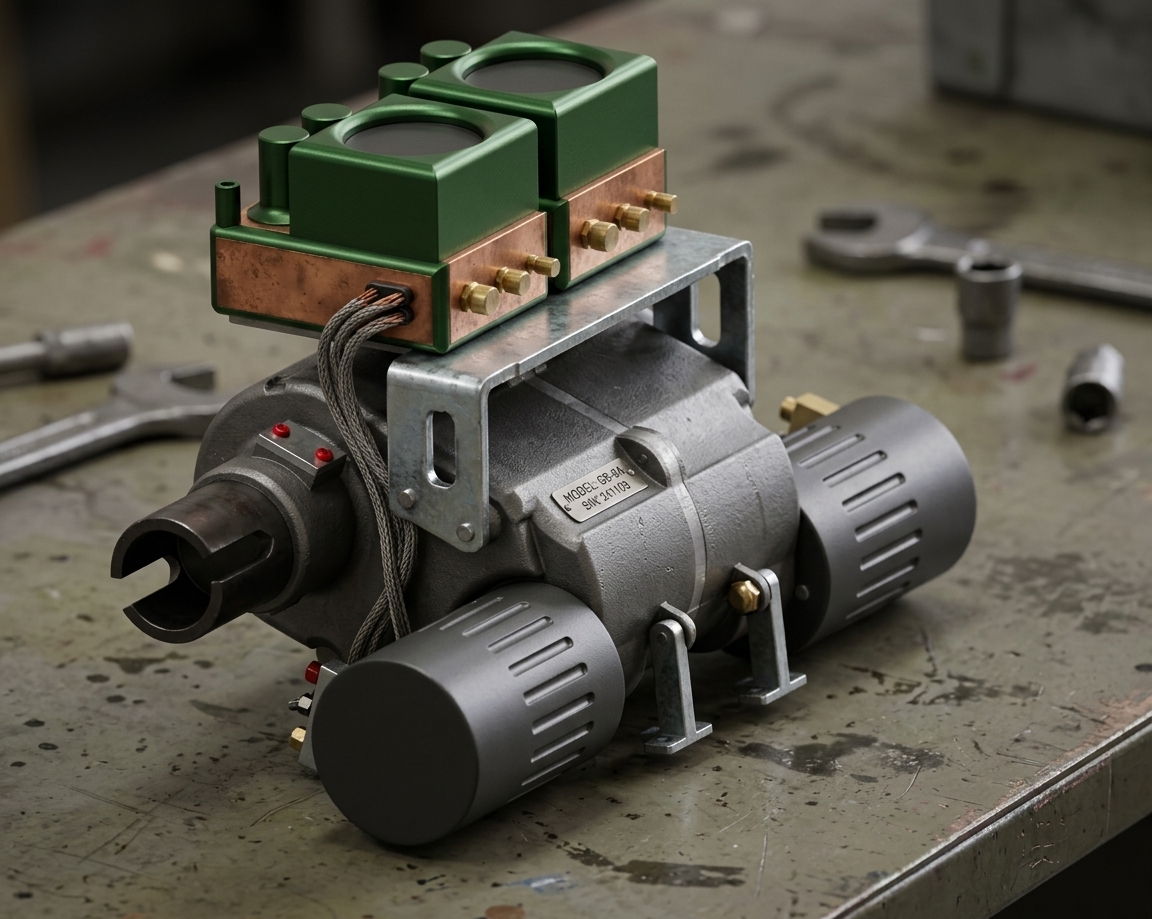
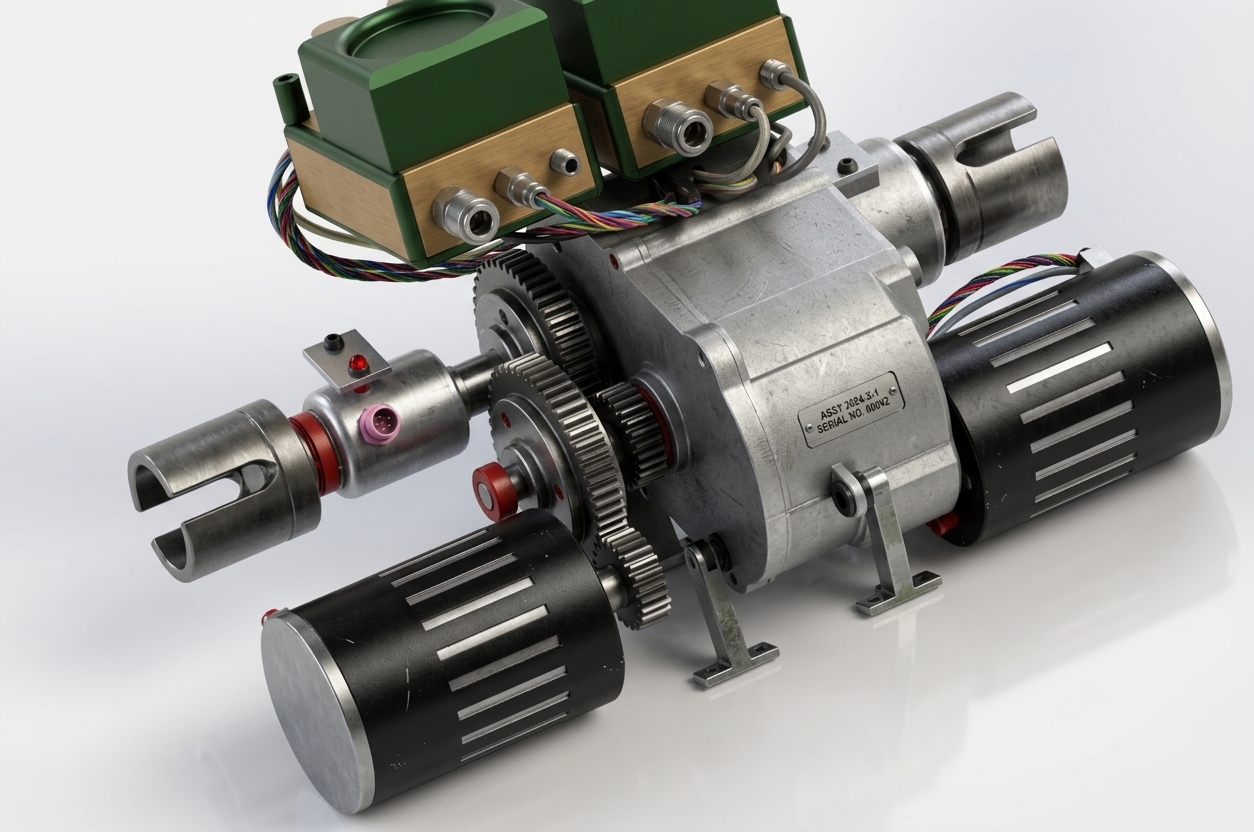
The CAT runs two independent electric motors — one per rear wheel — each paired with its own reduction transmission and dedicated controller. This lets the system apply different torque to each wheel individually, sharpening cornering response and maximising traction without sacrificing feel.
Rear-wheel drive is a deliberate choice. No front motor, no torque-splitting compromise. All 670 hp goes to the rear axle — raw, direct, and entirely in the driver's hands.
The outer monocoque shell is woven carbon fiber — high-strength, low-weight, and visually distinctive. Carbon fiber panels carry tensile and compressive loads across the entire body, eliminating the need for a heavy internal steel cage.
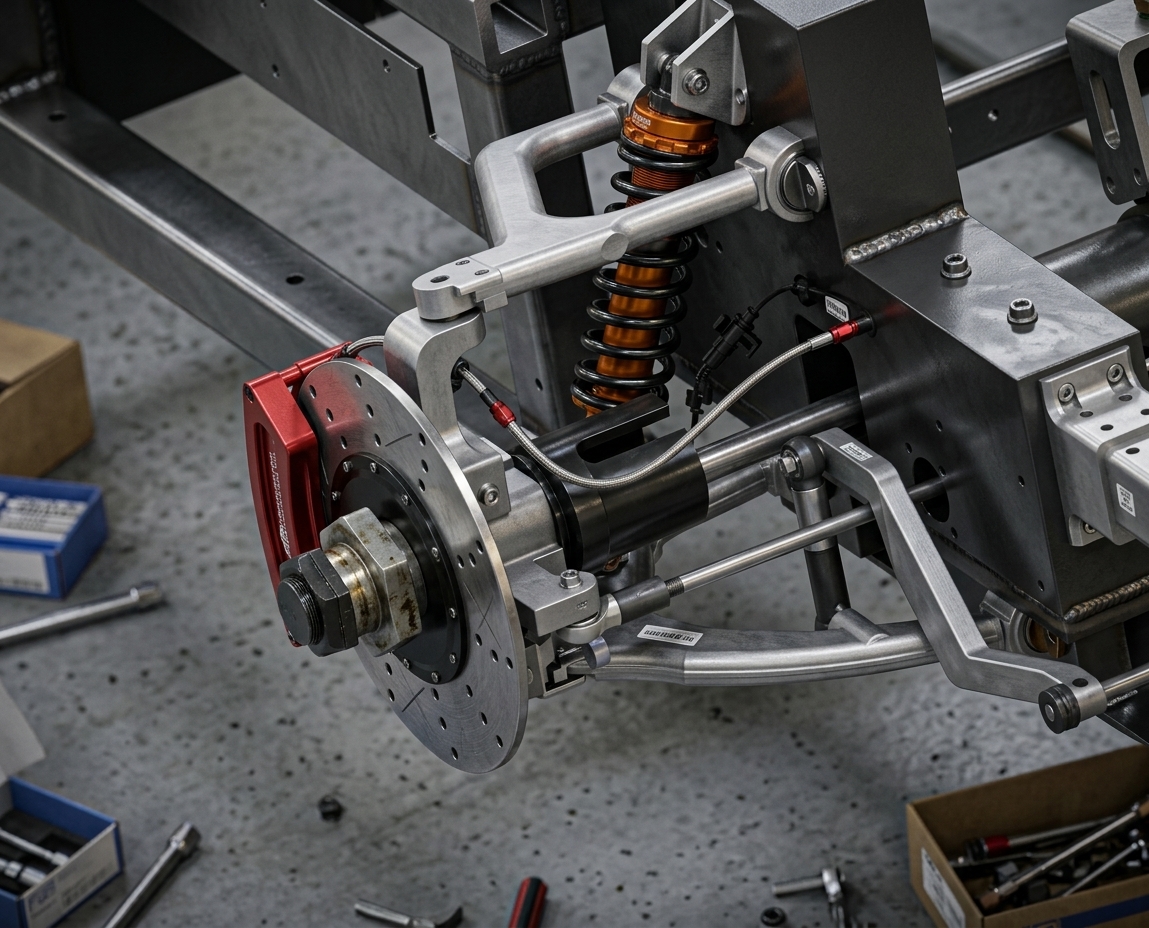
Machined aluminium nodes are bonded into the carbon fiber structure at suspension pickups, subframe mounts, and door hinges. Aluminium provides the precision thread interfaces and impact resistance that carbon fiber alone cannot — combining the strengths of both materials.